Leave Your Message
Hey there! In the fast-changing world of electrical supplies, finding the right Cable Lugs is super important if you want your connections to be reliable and work efficiently. We're Yueqing Gaopeng Electric Co., Ltd., and we kicked off our journey back in 2016 in Wenzhou city, over in Zhejiang Province. We really focus on designing, developing, and making a wide variety of terminals and connectors, especially those high-quality cable lugs you might be looking for. Believe it or not, we pump out several billion units every year! Our products are trusted around the globe, popping up in markets across Asia, Europe, America, and Africa. Since we know how tricky it can be to pick the right cable lugs for different applications, we figured it’d be helpful to share some tips. So, in this blog post, we’re going to lay out seven key tips to help you find the best cable lugs out there. Trust us, your electrical installations will thank you!
When you're on the hunt for quality cable lugs, finding trustworthy manufacturers around the globe is super important if you want your products to last and be safe. So, first things first, do some digging into manufacturers that have built a good reputation in the industry. You’ll want to watch out for certifications like ISO 9001 or other relevant endorsements. These badges often act as a solid guarantee of quality and show that they play by the international rules, which can definitely save you some headaches later on.
Next up, think about where these manufacturers are based. Countries with strong manufacturing scenes—like Germany or Japan—usually have pretty rigorous quality control standards. But don’t overlook up-and-comers like China and India; they’ve got some reputable manufacturers popping up, too. Checking out customer reviews and case studies can really help you get a feel for how consistent and reliable a manufacturer is. And hey, if you can swing it, visiting potential suppliers in person is a great way to see how they operate. You’ll get a real sense of their quality control and technical skills. By doing your homework on manufacturers, you’ll be in a great position to find the best cable lugs that are just right for you.
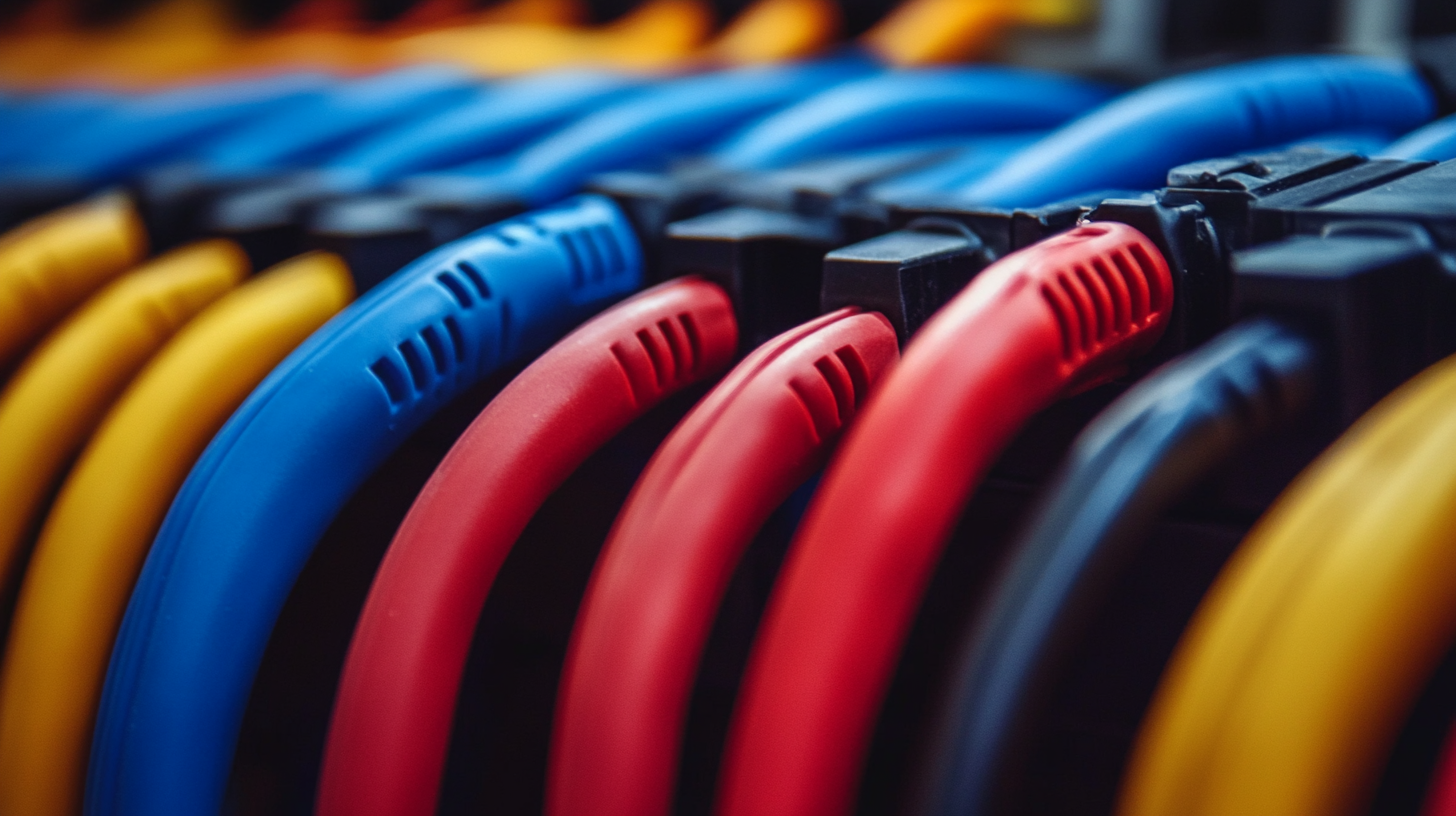
When you’re out there looking for the best cable lugs around the world, it’s super important to wrap your head around the different types and what each one’s good for. You’ll find that cable lugs come in all sorts of designs—like ring, Fork, and spade configurations—which are tailored for different electrical connections. For example, ring lugs are great if you want a solid connection to bolts, while fork lugs can help you quickly disconnect when needed. Choosing the right one is key, as it directly impacts the reliability and lifespan of your electrical setup, whether it’s for a car or an industrial machine.
On top of that, let’s not forget about the cool innovations going on with materials for these lugs. You’ll usually see copper and aluminum being used, and each has its perks. Copper lugs are fantastic for conductivity and they don’t corrode easily, so they’re perfect for high-load situations. But if you’re looking for something lighter on the budget, aluminum lugs are your best bet, especially for large-scale projects. Recent market research suggests that the need for high-quality cable lugs is set to skyrocket, all thanks to new advancements in electronics and the rise of renewable energy.
Now, if you’re diving into working with cable lugs, you definitely need some solid crimping tools. Studies have shown that how well you crimp can really make or break your electrical connections, so picking the right tool is a must. There are loads of models out there, but it’s wise to go for the ones that have been put through the wringer in testing and reviews—this way, you know they meet the high standards needed for cable lug applications. This little bit of care not only keeps everything safe but also boosts the overall efficiency of your electrical systems. Trust me, it’s worth it!
When it comes to picking out cable lugs, you really can’t overlook the material specs if you want to get the best performance out of them. The material you choose plays a big role in how durable and conductive the cable lugs are, which is super important for any kind of electrical connections. You’ve typically got two main choices: copper and aluminum, and each has its own perks. Copper is fantastic for conductivity and doesn't rust easily, making it a solid pick for places where you need reliable performance over time. On the flip side, aluminum is a lighter option that can save you some cash, but just keep in mind that it might need a bit of treatment to stop it from oxidizing.
But wait, it’s not just about the base material! You also want to think about the surface finish of those cable lugs. Options like zinc plating or tin coating can really boost their resistance to corrosion, so they work better in tough environments. Plus, checking out how they hold up mechanically—think tensile strength and elongation—will help you figure out if they can handle the stress during installation and while they’re in use. So, by digging into these material specs, you’ll be able to find cable lugs that not only meet all the necessary regulations but also promise long-lasting efficiency and reliability in your electrical setups.
So, when you're on the hunt for cable lugs around the world, it’s super important to check out how reliable and trustworthy your suppliers are. There’s this report from MarketsandMarkets that predicts the global electrical connectors market—including cable lugs—is gonna hit a whopping $86.49 billion by 2025! That really underlines how crucial it is to find solid suppliers in such a competitive market, right? One big thing to look at is the production standards of potential suppliers. They really should meet international standards, like the ISO 9001. This ensures that they have a good quality management system in place, which basically means you can expect consistent and high-quality products from them.
And hey, don’t overlook diving into their financial health, either! Figuring out how stable potential suppliers are can be a game-changer. According to a study by Dun & Bradstreet, businesses with low credit ratings are actually 50% more likely to go belly-up within a year, especially compared to those with solid ratings. If a supplier is on solid financial ground, they’re much more likely to keep up with orders, manage their inventory well, and even invest in some new tech.
Lastly, it’s all about building relationships. Working with suppliers who can show you genuine customer testimonials and references can give you a real feel for their reliability. Check out platforms like ThomasNet; they often have verified suppliers with good track records, which means you can make more informed decisions and set yourself up for long-term partnerships.
When you’re looking to source cable lugs on a global scale, it’s super important to really understand international standards and certifications. I mean, have you heard about those recent IEC initiatives? They’re actually developing standards for all sorts of electrical components, including cable lugs, because it’s essential for making sure everything is safe and works well across different regions. Their commitment to improving global standards really shines through in their recent meetings. They’ve been diving into topics like audio, video, and multimedia systems, and these expert discussions are helping to shape solid guidelines that can steer manufacturing and usage in various markets.
Now, why does all this matter? Well, there are industry reports that show companies complying with these regulations can see efficiency gains of up to 25%. Isn’t that something? Certifications from organizations like ISO and IEC not only help keep product quality in check, but they also shield manufacturers and consumers from potential safety risks. So, if you’re in the market for high-quality cable lugs, you really want to focus on suppliers who have these certifications. It’s worth noting that the recent advancements in international electrical standards highlight just how vital thorough testing and certification processes are. They ensure that the components you’re sourcing meet all those critical performance and safety benchmarks, which helps build better market credibility and boosts consumer trust.
When it comes to picking out cable lugs, one of the trickiest challenges businesses deal with is trying to find that sweet spot between keeping costs down and ensuring quality. I mean, who wouldn’t want to save a few bucks upfront, right? But here’s the thing—you might end up skimping on materials, which can bite you later with issues like poor performance or the need for replacements. So, it's usually worth it to invest in high-quality lugs. You’ll often find that good ones are more reliable and safe in the long run, which, let’s be honest, can really boost your peace of mind and keep your customers happy too.
To make smart sourcing decisions, companies really need to roll up their sleeves and dive into some serious market research. It's crucial to know the specific standards and requirements for the applications you’re working with. When evaluating suppliers, don’t just look at the price tag—check out the quality of their materials, how they manufacture them, and their customer service reputation. If a supplier offers warranties or guarantees, that’s like an extra safety net you don’t want to overlook. By balancing these factors, businesses can find that middle ground between cost and quality, making sure they get products that meet their operational needs without blowing their budget.
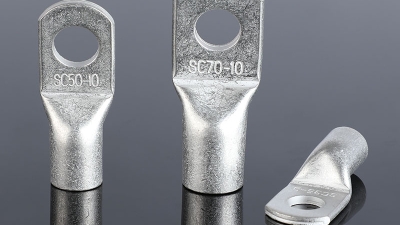
In the ever-evolving world of electrical engineering, optimizing electrical connections has become paramount, particularly concerning the performance and applications of SC cable lugs. Recent industry reports indicate that the efficiency of electrical connections significantly impacts energy transmission, making the choice of cable lugs critical. With copper’s exceptional conductivity and durability, lugs made from tinned copper, such as those offered by Gaopeng, stand out for their ability to resist corrosion while ensuring reliable performance.
Gaopeng’s SC series, including models SC16-6, SC25-8, SC25-10, SC35-6, SC50-10, and SC150-12, demonstrates superior quality design that meets stringent industry standards. The use of tinned copper not only enhances conductivity but also provides a sturdy connection ideal for various applications, from battery systems to general electrical installations. The versatility of these copper terminals positions them as essential components in both residential and industrial settings, where maintaining optimal electrical performance is crucial.
Reports suggest that improperly connected cables can lead to energy losses of up to 10%, highlighting the importance of selecting the right lugs for your system. Gaopeng’s cable lugs not only help mitigate these losses but also offer an assurance of longevity and safety, crucial in today’s demanding electrical environments. As industry standards continue to evolve, investing in high-quality cable lugs like those from Gaopeng ensures compliance and reliability in all electrical applications.
: Look for manufacturers with a solid reputation, certifications like ISO 9001, and endorsements that ensure compliance with international standards.
Yes, countries like Germany and Japan are known for their strong manufacturing sectors and strict quality control, while emerging markets like China and India also have reputable manufacturers.
Consider customer reviews, case studies, and, if possible, visit the suppliers to assess their quality control processes and technical capabilities firsthand.
The choice of material affects the durability and conductivity of cable lugs, which is crucial for ensuring reliable electrical connections.
Common materials include copper, known for its excellent conductivity, and aluminum, which is lightweight and can provide cost savings.
A surface finish, such as zinc plating or tin coating, can enhance corrosion resistance, making cable lugs more suitable for harsh environments.
Opting for cheaper materials may lead to compromised performance and higher long-term costs; investing in quality typically leads to better reliability and safety.
Companies should conduct thorough market research, assess specifications and standards, and evaluate suppliers based on quality, manufacturing processes, and customer service.
Warranties and guarantees from suppliers can serve as safeguards, ensuring the quality of the products and providing additional assurance to buyers.