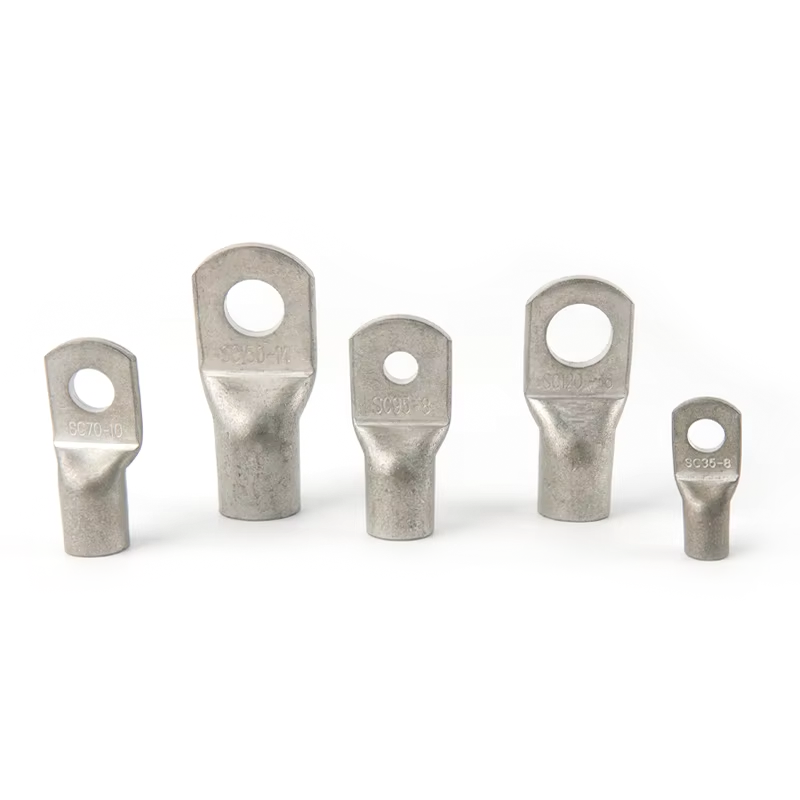
Cable Lugs might not be the most glamorous part of an electrical system, but trust me, they’re pretty darn important. These little connectors are what tie your conductors to terminals or equipment, making sure your power flows smoothly and safely. Did you know that according to MarketsandMarkets, the global market for cable lugs is expected to hit around $5.6 billion by 2025? Crazy, right? That just goes to show how much people are looking for reliable and efficient electrical connections these days.
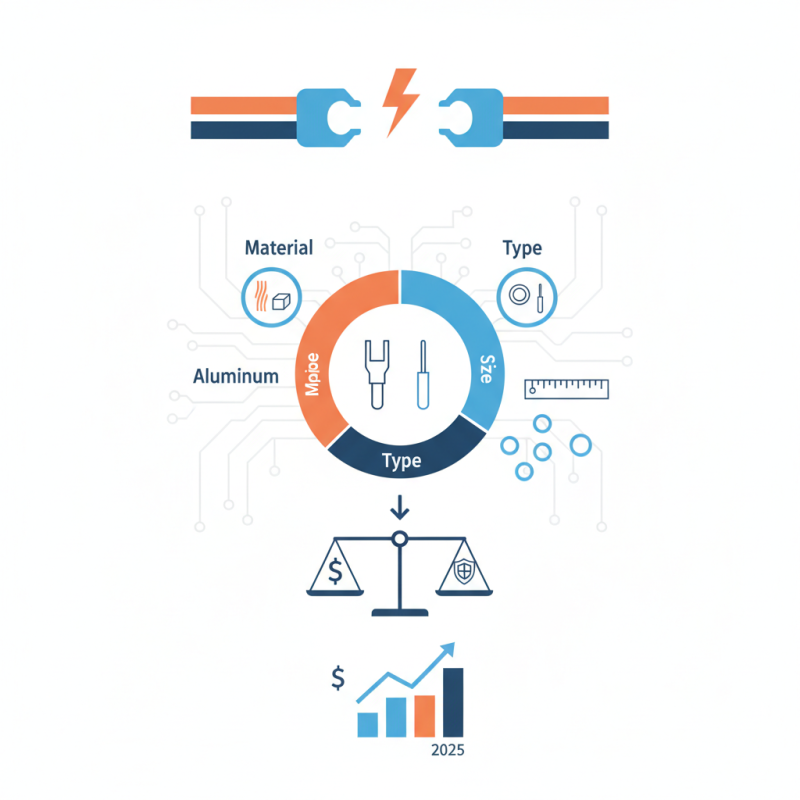
Picking out the right cable lug isn’t something to take lightly, either. Things like the material, size, and type all really matter when it comes to making sure everything works properly. For example, Copper Lugs are great because they conduct electricity really well, but they tend to be pricier and heavier than aluminum ones. And honestly, a lot of folks forget to check whether the lug they’re choosing actually matches their system. That oversight can lead to all sorts of issues down the line.
Now, when you're on the hunt for the perfect cable lug, it’s easy to get a bit overwhelmed. Some folks might just go for the cheapest option or pick based on what looks good, but that’s a risky game. Cheap isn’t always safe or reliable, and that can lead to electrical failures or even fires. So, taking your time, thinking about all the factors, and making an informed choice really pays off in the end — for your safety and for peace of mind, too.
What is a Cable Lug?
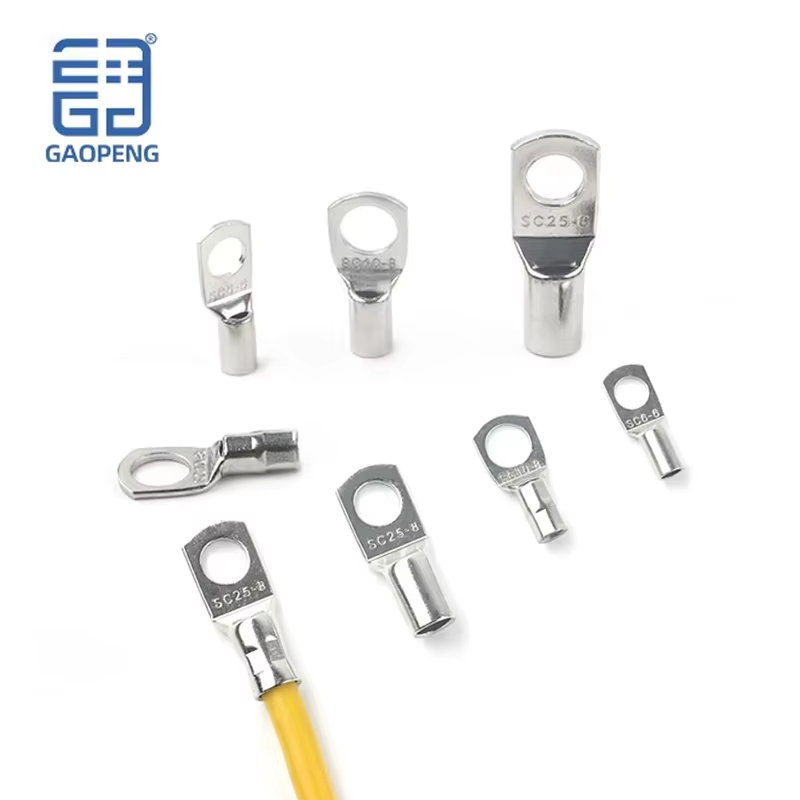
A cable lug is a critical component used in electrical connections. It serves to securely connect wires to various electrical devices and terminals. The primary function of a cable lug is to ensure a reliable and safe electrical connection. When properly attached, it can handle high currents and provide insulation against electrical shocks.
Choosing the right cable lug involves several considerations. The gauge of the wire is essential; it must match the lug's specifications. Size plays a crucial role as well. A lug that is too small may lead to overheating. One that is too large can be loose and insecure. It's also important to think about the environment. Certain lugs are designed for outdoor use, while others are meant for indoor applications.
A common mistake is overlooking the material of the lug. Copper and aluminum are standard materials, each with distinct properties. Copper lugs are highly conductive, while aluminum is lightweight and cost-effective. However, improper selection can lead to issues such as corrosion. This can affect the overall performance and safety of the connected devices. Taking the time to reflect on these details can lead to better long-term results.
Understanding Different Types of Cable Lugs
This chart illustrates the popularity of different types of cable lugs based on industry usage. Copper lugs are the most commonly used due to their excellent conductivity, followed by aluminum and other types. Choosing the right cable lug depends on factors such as conductivity needs, environmental conditions, and installation requirements.
Components and Functionality of Cable Lugs
Cable lugs are critical components in electrical systems. They connect wires to terminals or other conductors. The functionality of a cable lug depends largely on its design. Common types include crimped, soldered, and bolted lugs. Each design serves a specific purpose. For example, crimped lugs offer excellent mechanical strength. This is crucial in high-stress environments.
Selecting the right cable lug is essential for safety and efficiency. Industry reports indicate that using the incorrect lug can lead to increased resistance. This can generate heat, raising the risk of equipment failure. A report by the International Electrotechnical Commission shows that improper connection methods contribute to 30% of electrical faults. Size and material also play significant roles. Copper lugs are favored for their conductivity, while aluminum lugs are lighter.
It's important to consider environmental factors as well. Corrosive environments can degrade material integrity quickly. Regular inspections are necessary to avoid failures. Some professionals recommend a yearly check of cable lugs to ensure reliability. Practicing proactive maintenance can save costs in the long run. Ignoring these factors may lead to unforeseen consequences that could have been avoided.
Types of Cable Lugs and Their Applications
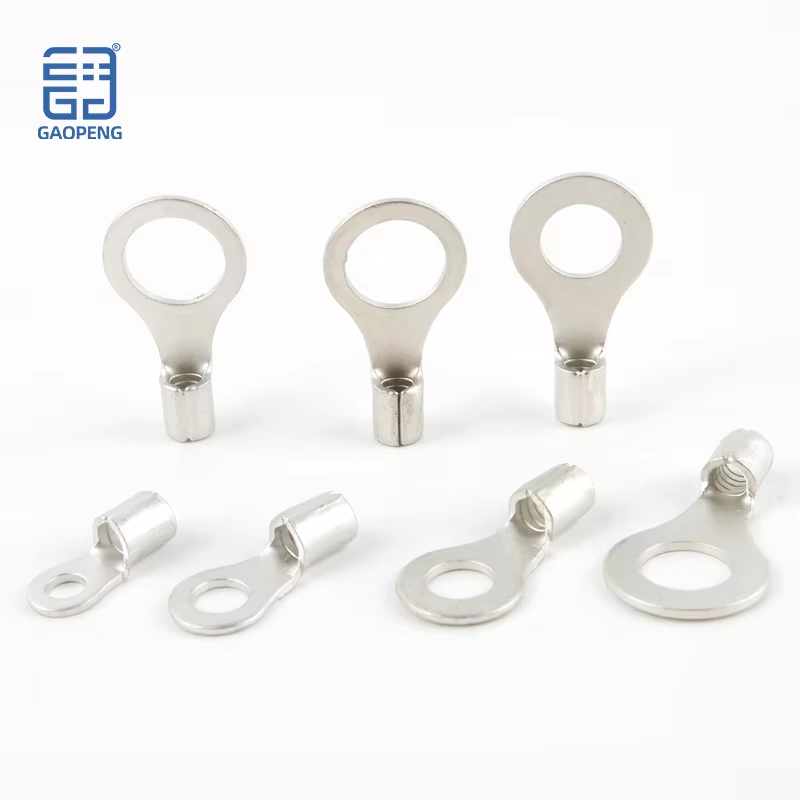
When it comes to cable lugs, choosing the right type is essential. Several variations exist. The most common types include ring lugs, fork lugs, and spade lugs. Ring lugs are ideal for secure fastening. They often work well with terminal blocks. Fork lugs allow easy connection and disconnection. Spade lugs suit applications where space is tight and access is limited.
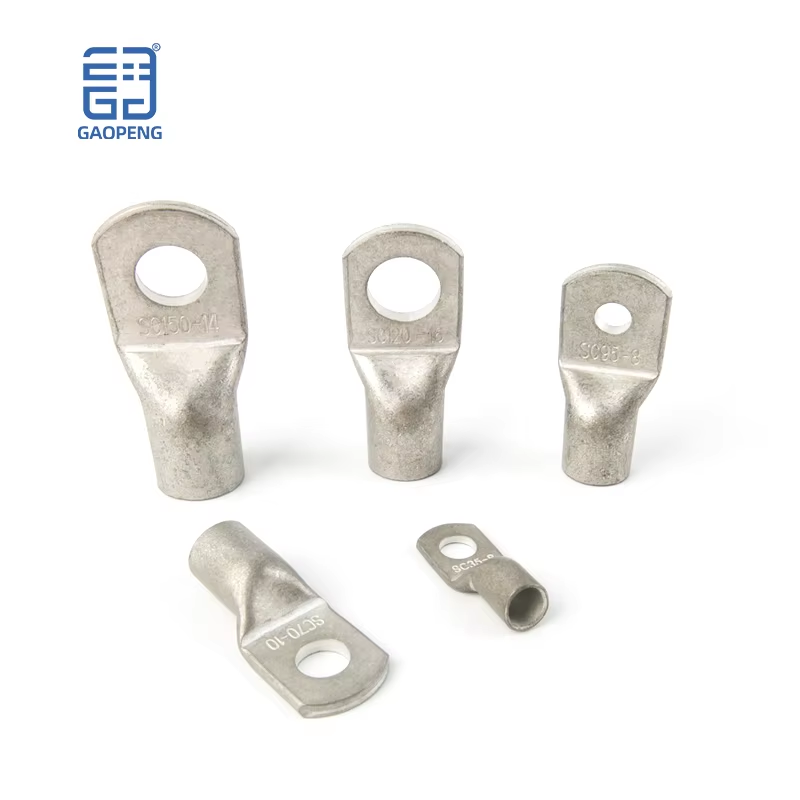
Different applications may require different materials. Copper lugs are preferred for their excellent conductivity. Aluminum lugs work better in corrosive environments. However, not all lugs perform equally in various conditions. It is critical to consider the environment and specific requirements of your project.
Tips: Always assess the size of the cable. Ensure the lug matches its diameter. Misalignment can lead to poor connections. Check the voltage and current ratings as well. If unsure, consult industry standards. This can prevent costly errors in your wiring projects. Remember, a well-chosen lug contributes to system reliability.
Factors to Consider When Selecting Cable Lugs
When selecting cable lugs, several key factors come into play. First, consider the conductor material. Copper and aluminum are common choices. Each has unique conductivity properties. Copper lugs are often preferred for their efficiency. Aluminum lugs are lighter but require proper handling. Evaluate the environment as well. Corrosive conditions may need special coatings.
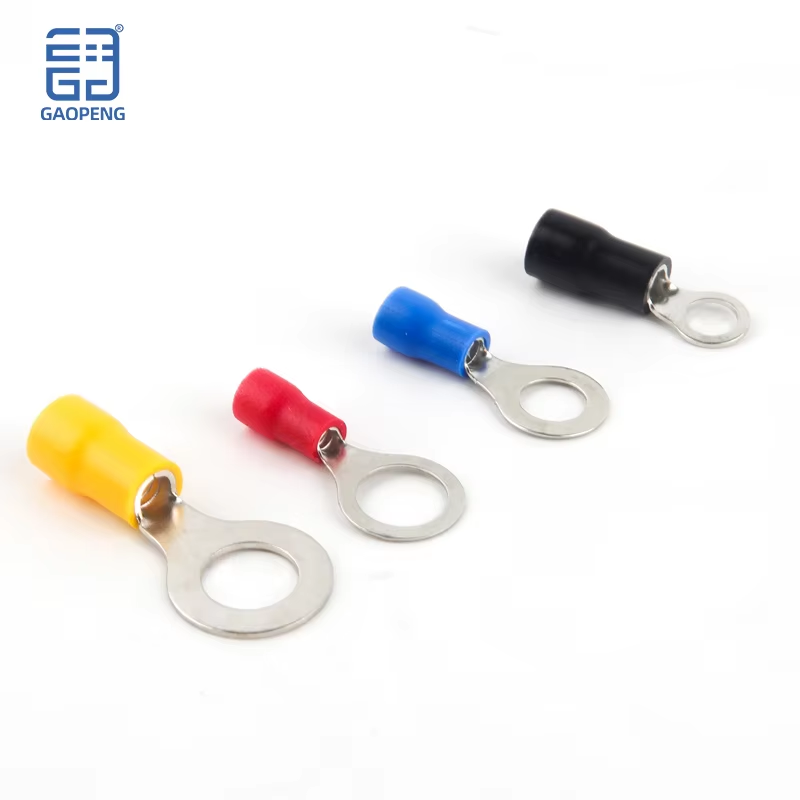
Next, think about the lug size. It must match the conductor's diameter. Choosing the wrong size can lead to serious issues. Too tight can damage the conductor. Too loose can result in poor connections. Moreover, assess the lug's insulation needs. Some projects may require insulated lugs to enhance safety.
Don’t overlook the termination method. Crimping or bolting are popular techniques. Each has distinct advantages and limitations. Crimping is quicker but can be less forgiving of mistakes. A well-executed bolted connection may offer reliable performance. Lastly, be aware of standards and regulations. These guidelines ensure safety and compatibility. Keep them in mind for the best outcome.
Installation Techniques for Cable Lugs
When installing cable lugs, proper technique is critical for ensuring electrical connection integrity. A study by the Electrical Safety Foundation International reveals that improperly installed lugs are a leading cause of electrical failures. Many technicians overlook the necessity of using the right torque specifications, leading to loose connections. It’s essential to refer to manufacturer guidelines for the recommended torque range, as this can vary significantly.
The selection of the appropriate crimping tool also plays a pivotal role. Not all tools fit every type of lug. Using an incompatible tool can result in poor crimp execution. Technicians should invest in a crimping tool that matches the specific lugs they plan to use. According to the National Electrical Manufacturers Association (NEMA), incorrect crimping leads to a 25% increase in connection resistance.
Current industry standards recommend visual checks after installation. However, many installers skip this vital step. A close inspection can reveal issues like improper alignment or visible wear. Regular audits of connections can help detect problems early. Maintaining a habit of these checks fosters a culture of electrical safety and reliability. Thus, the importance of a systematic approach cannot be overstated.
Common Mistakes to Avoid in Cable Lug Selection
When selecting a cable lug, many make critical mistakes that can lead to safety issues. One common error is ignoring the wire gauge. Always match the lug to the appropriate wire size. A mismatch can result in overheating and potential failure of the electrical connection.
Another frequent oversight is overlooking environmental factors. If the lug will be exposed to moisture, choose one with the right material. Corrosion can weaken connections over time. Ensure the selected lug is designed for the conditions it will face.
**Tips:** Consider using a corrosion-resistant coating if you're in a harsh environment. Double-check the specifications of your cables and lugs. This can save you from costly mistakes later. The right selection can make a significant difference in performance and safety. Don't rush this important decision. Always take the time to verify and confirm your choices.
What is a Cable Lug and How Do You Choose the Right One? - Common Mistakes to Avoid in Cable Lug Selection
| Dimension | Description | Common Mistakes |
| Material | Copper or Aluminum for conductivity | Choosing the wrong material based on application |
| Current Rating | Max current the lug can handle | Not matching the lug rating with system requirements |
| Conductor Size | Size of the wire used with the lug | Choosing a lug for a different conductor size |
| Type of Termination | Crimp, solder, or bolt | Ignoring proper termination method for reliability |
| Environmental Conditions | Indoor or outdoor use, heat, moisture | Not considering the operating environment |
Maintenance Tips for Cable Lugs to Ensure Longevity
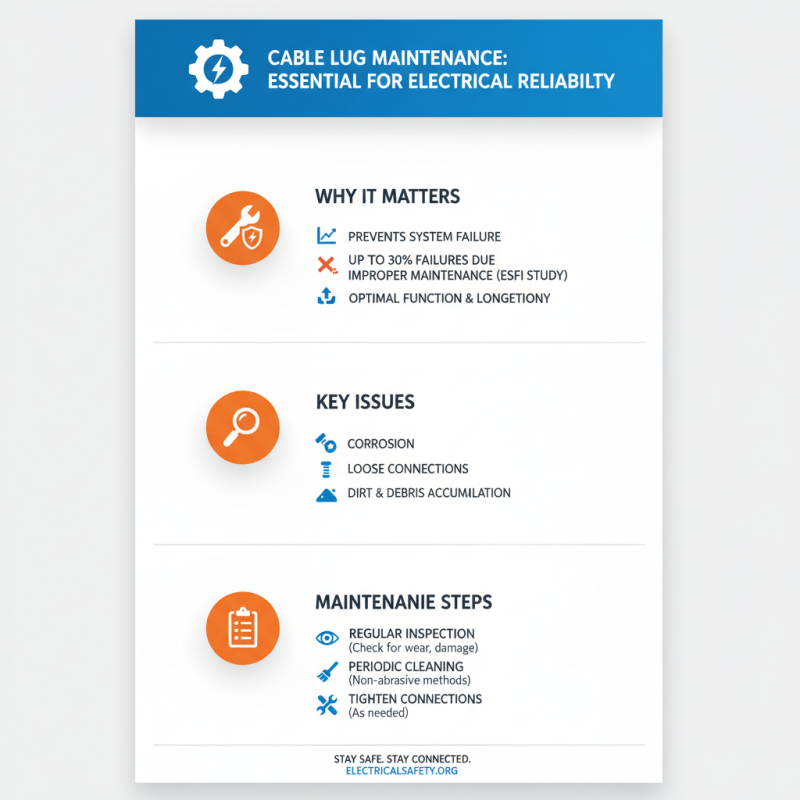
Cable lugs, essential for maintaining electrical connections, require regular maintenance to ensure they function optimally. A study by the Electrical Safety Foundation International reveals that improper maintenance can lead to failure in up to 30% of electrical systems. Regular inspection helps identify corrosion and loose connections, which are common issues. Periodic cleaning with a non-abrasive method can prevent dirt accumulation, thus prolonging the lug's life.
Temperature control is critical. High temperatures can enhance oxidation, degrading the materials. According to the National Electrical Manufacturers Association, maintaining a working temperature below 75°C can double the lifespan of cable lugs in typical environments. Moreover, ensuring proper installation techniques helps distribute stress evenly, reducing the risk of mechanical failure. It is vital to verify that all screws are adequately tightened and that the lug fits the cable snugly.
Although these tips seem simple, overlooking them can lead to drastic consequences. Regularly overlooked areas, such as strain relief or environmental exposure, can affect connections. Addressing these can seem tedious, but the resulting durability is invaluable. Inevitably, many neglect these principles. Reflection on past maintenance, or lack thereof, can lead to better practices for the future.
Conclusion
Cable lugs are essential components used to connect conductors to electrical terminals, ensuring a secure and efficient electrical connection. Understanding the components and functionality of cable lugs is crucial for selecting the right type for specific applications. Various types of cable lugs are available, each designed for different environments and uses, highlighting the importance of considering factors such as conductor size, material, and application when making a selection.
Proper installation techniques are vital to avoid common mistakes, such as inadequate crimping or using incompatible materials, which can lead to connection failures. Additionally, regular maintenance of cable lugs is important to ensure their longevity and reliability in electrical systems. By being informed about these aspects, users can maximize the performance and safety of their electrical installations.