



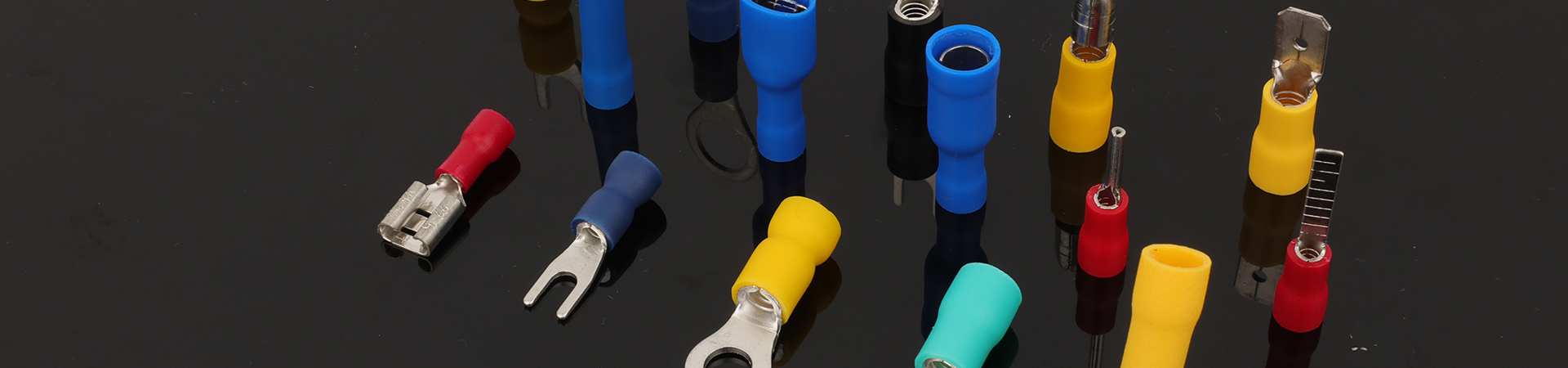
Best DIN Rail Connection via Crimp Terminals and Ferrules
What are Crimp Terminals and Ferrules, and Why Use Them?
If you are not already aware, crimp connectors are the connectors you use at the end of your wires, and they are typically used with a crimping tool that makes a physical and electrical connection between the wire and the crimp connector. Insulated Ferrules are plastic sleeves that are placed on stranded wire, and they are intended to hold all of the strands of wire together, and create a clean, accurate connection when terminated into a connection point.
So why should you take these extra steps? The crimp connector or an insulated ferrule normally will give you reliable connections to DIN rails.
You will not have solid connections throughout your electrical system if you do not use crimp connectors or insulated ferrules. Poor contact, loose strands, and unsafe conditions created by high resistance and excessive heat can result from improper terminations. Therefore, even small parts are essential to keeping your equipment working properly and safely over the long term.
Terminating Your Connections to DIN Rails Is Very Important
A DIN Rail Terminal Block is the main connection point for all wire connections in your electrical system, so incorrect terminations can create issues. Some examples of your potential problems are: loss of current due to poor terminations and overheating and ultimately loss of power supply to your electrical system. Here are some benefits of taking the time to terminate properly:
Improved Performance: Crimp terminals and ferrules provide a mechanical way to connect wires and reduce resistance so that your electrical system runs more efficiently and stays cooler when under load.
Increased Lifespan: Industrial settings usually have a large amount of vibration and stress related to wire connections; therefore, they will loosen and break down over time. The way a wire is terminated plays a large role in reducing issues with the installation, and increasing the life of the installation.
Compliance with Regulations: Some safety regulations specify required termination methods or components used when making electrical installations comply with regulatory standards (i.e., UL or VDE approved). If they are properly terminated with approved wiring material, electrical connections may be in compliance with the appropriate regulations.
Choosing the Right Terminal Block for Your Application
After we have defined what makes a solid connection, the next step is determining the proper method of termination through selection of the correct terminal block. There are many different kinds of terminal blocks available; therefore, it is important to know which terminal block is best suited for your application.
Screw Clamp Terminals: Generally, these types of terminal blocks provide extremely reliable connections in high current applications and have been used in a majority of high-current applications. (Do not over-tighten your terminal blocks as you run the risk of damaging the wire you are trying to connect.)
Spring Clamp Terminals: Spring clamps may be an appropriate choice if you need to install a connection quickly. Screw clamps are suitable to use on a board and can work in a combination of applications; however, they will provide better durability when used in an application where there is vibration or mechanical stress, however their ratings are usually lower.
When selecting the correct terminal block for an application your consideration should include factors such as current load, voltage, and environmental conditions. This consideration is especially important when building a large industrial control panel or a simple small electrical circuit. Another consideration is that all terminals must be certified for industry standards prior to use.
Common Installation Mistakes When Using Terminal Blocks
If you've spent time accurately and thoroughly making connections and terminating wires, you want to ensure that you don't make a simple mistake in the installation process. Here are a few examples of common errors made when installing them:
1. Not using the appropriate tools to fit the terminal block or wires: Be sure to use only the highest quality crimpers and strippers and the correct size crimping and/or stripping cables. Using poor quality tools can lead to poor terminations and may not work after being crimped/stripped.
2. Using ferrules with stranded wire: When installing stranded wire, if you use ferrules with them, you can get strands that will not be held tightly at the connection, leading to a poor-quality connection. Terminal blocks need to have proper derating as they heat up due to the power they carry. As the blocks heat up, the capability of conducting electricity decreases. Over time, thermal cycling of the terminal blocks can decrease the internal resistance causing failure at connection points. This is why the terminal block manufacturer has provided a temperature derating guide for terminal blocks. These data sheets are pasted directly onto each terminal block.
3. Ignoring Their Temperature Rating: Good quality terminal blocks can become warm when high current flows through them; however, not every terminal block can handle this increased temperature. Verify the terminals' temperature derating guide prior to putting your terminal under load.
Have Questions?? We Have Answers!
Q: Why must terminal blocks be derated when under extreme heat conditions?
A: As terminal blocks heat up from the supply voltage and current flowing through them, they become less capable of safely conducting the electrical current. Over time, continued heating of terminal blocks will degrade their materials, increasing resistance and the likelihood of failure. This is why terminal block manufacturers provide a temperature derating guide to protect your facility from overly loaded systems in high-heat conditions.
Q: What is the difference between screw clamp and spring clamp terminals?
A: Screw clamp terminals are manually tightened at the time of installation with a screwdriver and can support high currents due to their strong mechanical grip. Spring clamp terminals are designed with a spring-loaded mechanism, allowing for quicker installation. However, spring clamps generally handle lower current levels than screw clamps.
Q: How can I verify if a terminal block has valid UL or VDE certification?
A: Typically, certification information will be available either on the product or within the manufacturer's datasheet or documents. You can also inquire directly from the manufacturer's website, as well as through independent certifying bodies' websites, for certification compliance.
Final Thoughts
Maintaining good wiring terminations is the best way to ensure that the performance of a connection lasts a long time without needing to be serviced. By utilizing crimp terminals and insulated ferrules, you will give yourself the best chance at creating a solid electrical system and reliable and long-lasting (if not future-proof) DIN rail terminal blocks. When purchasing terminal blocks to use, make sure to select the right product for the application, use the correct tools to install the products, and follow best practices when installing the terminals. Investing in a little additional time will save you a lot of time later through system outages and expensive repairs.