



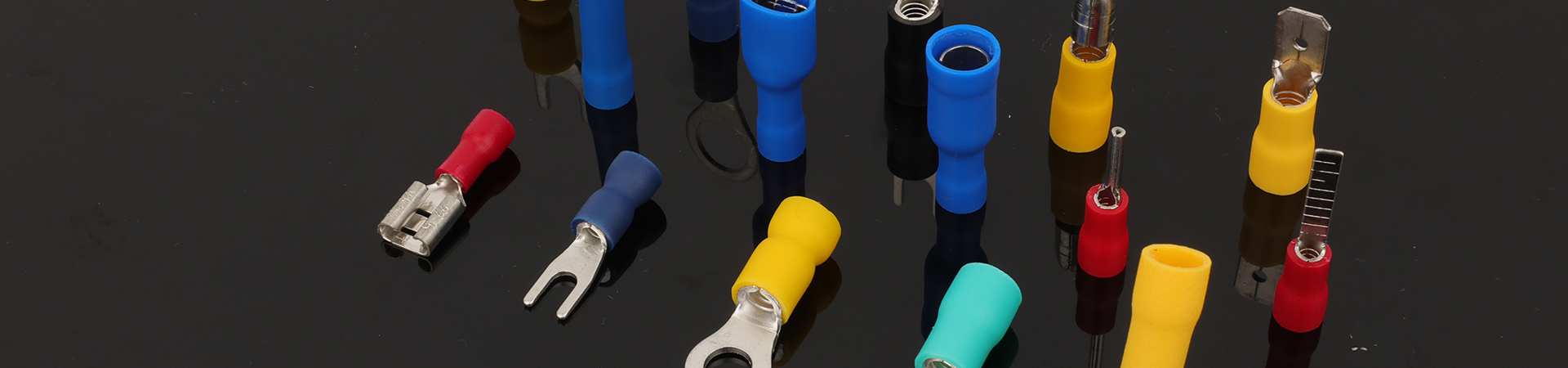
The connection of electrical circuits can be terminated in a variety of ways; however, the most reliable and efficient option is to use crimped terminal connections on DIN rails with insulated ferrule
What Crimp Connectors and Ferrules Are and Why You Should Be Concerned about Them?
Crimp Connectors are typically the connector type that goes on the end of a conductor. They facilitate the physical and electrical connection to the crimp tool. Ferrules are plastic sleeves that go on the ends of stranded conductors therefore helping to hold all of the strands together and providing a good clean cut terminated connection point. Using crimp connectors or Insulated Ferrules is an important step for establishing a secure connection to your DIN rail.
Without the use of crimp connectors or insulated ferrules, your entire electrical system may not have reliable connections. This could lead to poor contact from improper connections, loose wire strands, and conditions of excess heat and high resistance that are not safe. Therefore, these small components are very significant to ensuring that your equipment functions reliably and safely over time.
The significance of terminating your wires to DIN rails affects the function of your entire electrical system. The DIN Rail Terminal Block is the primary interconnection of wires for your electrical system; improperly terminating this connection, produces several problems such as loss of current due to terminations, overheating, and ultimately failure of your electrical system's power supply. The following are the benefits of taking the time to terminate your electrical connections properly:
1. Improved Performance: Crimp terminals and ferrules are physically joining wires together; therefore, reducing resistance and operating the electrical system more efficiently with lower heat generation under electrical load.
2. Increased Lifespan: The industrial environment provides significant vibration and stress on wires that can produce loose terminations and broken connections. The method of how the wire is terminated will greatly affect the risk of problems at installation and extend the installation's life.
3. Regulatory Compliance: Many safety regulations govern how to properly terminate wires together and what type of components can be used to comply with regulations (e.g., UL or VDE approved terminal blocks).
Choosing The Right Terminal Block To Use For An Application
After you have determined what criteria to use in determining good connections, then the next step is to select the right method of termination by selecting the proper Terminal Block. There are many different types of terminal blocks available; therefore, it is critical to understand which type of terminal block will be the best choice for your application.
Screw Clamp Type Terminals: Generally, screw-type terminal blocks provide a dependable connection for high current applications. They may be seen in most high current applications. However, if too much force is applied when tightening the terminal block, it can cause the wire being connected to be damaged.
Spring Clamp Type Terminals: Spring clamp type connector terminals provide a fast way to make a connection where a quick installation is necessary. On a Printed Circuit Board (PCB), the screw-type connector terminal is an appropriate way to make a connection at a terminal, plus they can be used with other types of terminal blocks as well. However, spring clamp connectors may not last as long as the use of screw connectors when subjected to vibration and other mechanical stresses, and the ratings of spring connectors may be less than those of screw connectors.
When selecting your terminal block for your particular application, consider these important factors: the current load rating of the block, the voltage rating of the block, and the environmental conditions in which the terminal block will be used in the construction of either a large-scale industrial control panel (such as those used in an industrial plant controlling the entire facility) or a simple small residential electrical circuit. The very first step to consider when working with terminals is to ensure that each terminal manufacturer has been certified to adhere to the necessary standards of their respective industry before the terminal can even be installed or used.
Common Mistakes You Can Make When Installing Terminal Blocks
If you have spent hours on accurately making connections and terminating wires, then you certainly don’t want to make any errors while installing them, and here are a few examples of frequent errors to avoid during terminal installation:
1. Crimping or Stripping Tool: Only use the very best, and use the proper size/tool for crimping and/or stripping terminals and wires (if not used properly, the crimp will ultimately lead to failures at some point in time).
2. Use of Ferrules with Stranded Wire: One should avoid crimping stranded wire using a ferrule because the ferrule crimp cannot hold together the wires securely and therefore connect to the terminal block. Additionally, the temperature rating of each terminal must be derated because there will be significant heat build-up on terminal blocks due to the current being passed through terminals, thus determining how much current each terminal can carry based on its operational temperature. As the heat increases, so will the failure of the wire-to-terminal connection due to increased resistance caused by overheating. Therefore, every manufacturer of terminal blocks is to provide a terminal block (temperature derating guide), which is typically printed directly on the terminal block.
3. Ignoring Their Temperature Derating Guide: Even though quality terminal blocks can get very hot during high current flow, not all terminal blocks are rated to carry the increased heat. Take the time to review the temperature derating guide for a terminal block prior to loading it with current.
If You Have Questions, We Have Answers
Q: Why should you derate your terminal blocks under extreme heat conditions?
A: When terminal blocks get hot due to the voltage and current flowing through them and they lose their ability to conduct electrical current safely. As terminal blocks continue to heat up, the material of the terminal block will begin to degrade and the resistance will increase, increasing the chance that the terminal blocks will fail. A terminal block manufacturer must supply a temperature derating guide so that facilities do not build an overloaded system under high-temperature conditions.
Q: What are the differences between screw clamp terminals vs. spring clamp terminals?
A: Because screw clamp terminals use a screw to secure the connection, they are able to carry much higher currents than spring clamps that use a spring mechanism to hold the wire in place. This will also help with ease of installation.
Q: How do I verify whether a terminal block has valid UL or VDE certification?
A: Most terminal blocks will have either UL or VDE printed on them. If not, verify through the manufacturer data sheet or the manufacturer’s website, and verify through an independent certifying organization’s website.
In Conclusion
The only way to ensure that a connection is maintained for as long as possible with little maintenance is through providing high-quality terminations. If you are looking to create a system that works reliably and will last potentially forever, use crimp terminals combined with insulated ferrules when installing DIN rail terminal blocks. When choosing terminal blocks, make sure you select the proper terminal for your given application, use the correct tools for installation, and ensure proper procedures are followed; taking a little additional time can save you numerous future system failures and possible costly repairs.