



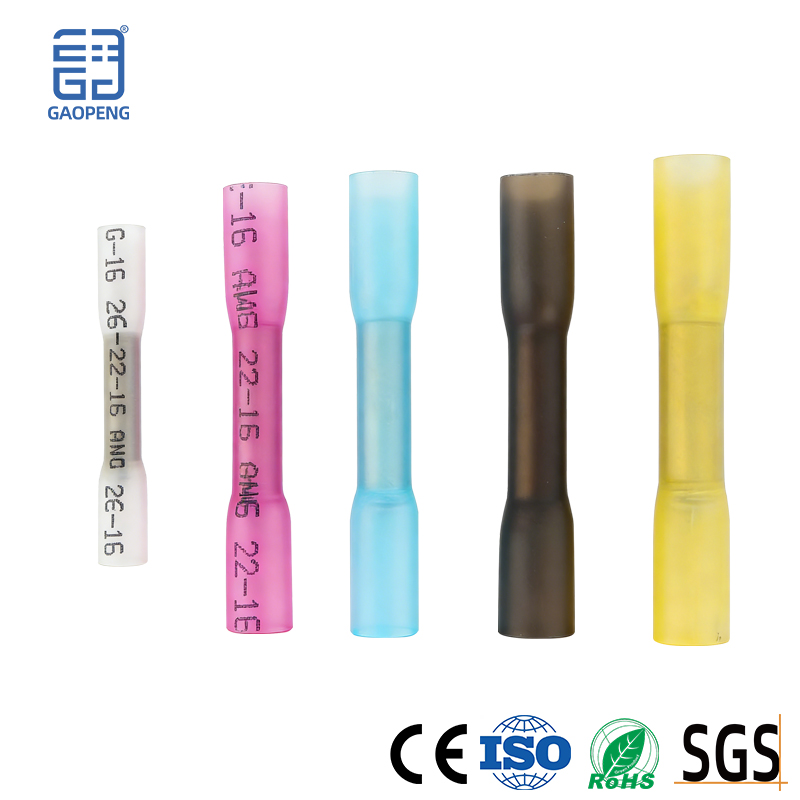
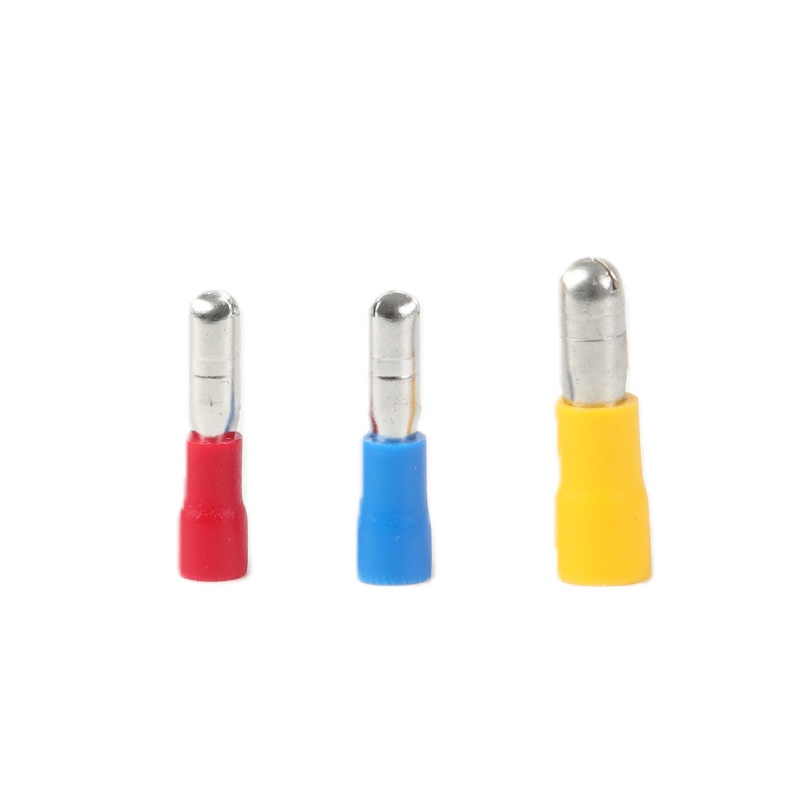
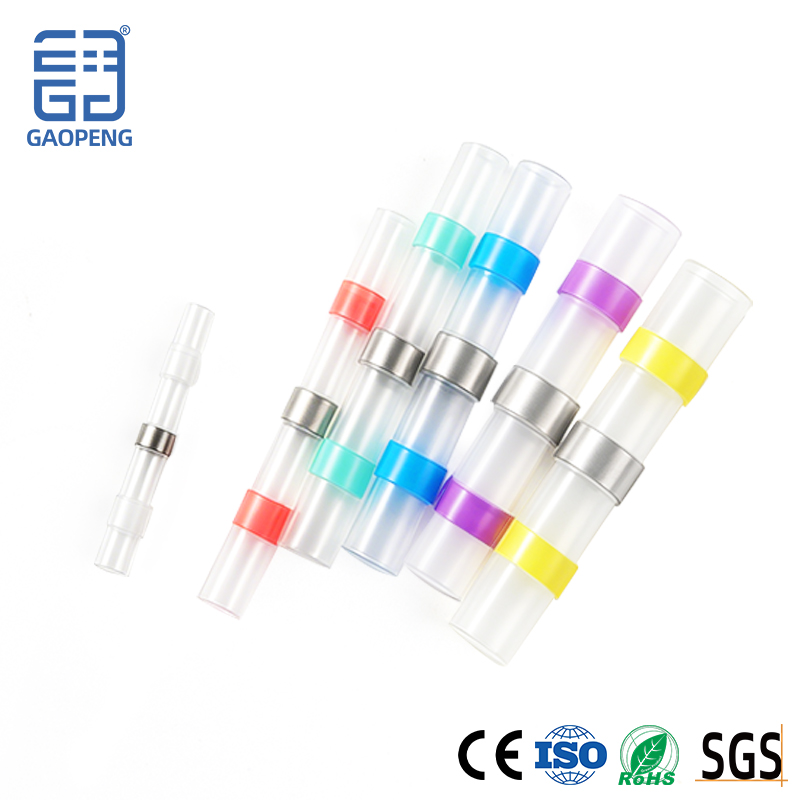
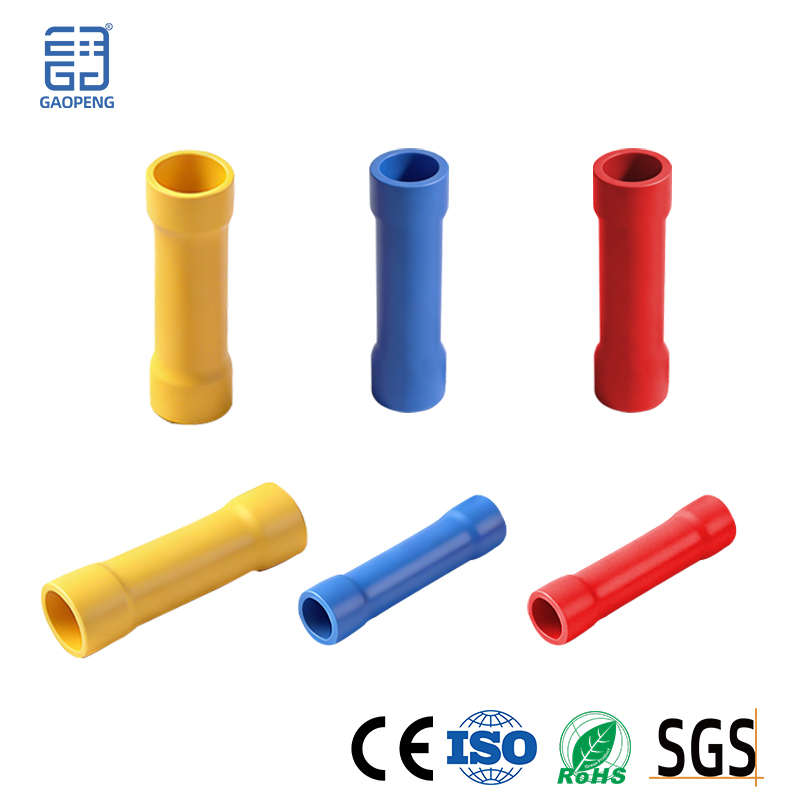
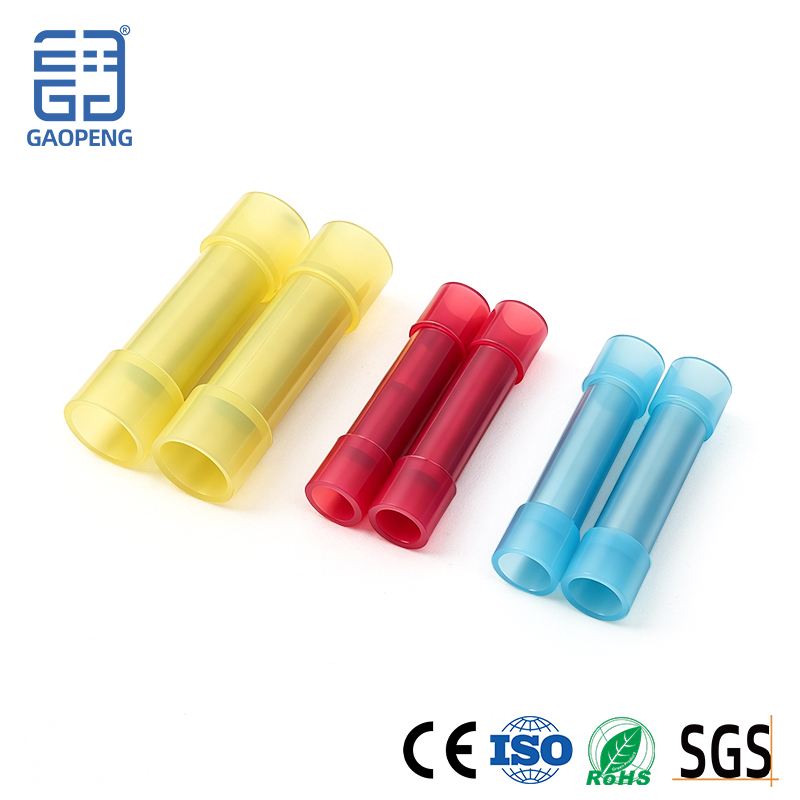
Revolutionizing Wire Harness Protection: Why Our BHT Heat Shrinkable End Caps Are the Industry’s New Standard for Sealing & Insulation
Part 1: The Problem with Standard Termination Methods
Traditional methods of sealing wire ends—such as using electrical tape, non-sealing PVC caps, or standard tubing—have three fundamental flaws:
-
Ingress Pathways: Standard non-adhesive caps leave microscopic gaps. Over time, capillary action pulls humidity and salt spray into the Terminal Block, corroding the copper from the inside out.
-
Vibration Loosening: In high-vibration environments (agricultural equipment, trucks, locomotives), rigid caps crack or fall off entirely.
-
Heat/Cycle Failure: General-purpose plastics degrade under thermal cycling. As wires heat up and cool down, non-adhesive seals lose their tension.
The result? Unplanned downtime, warranty claims, and safety hazards. The market has long needed a "fit-and-forget" solution. That solution is the BHT.
Part 2: Technical Deep Dive – What Makes the BHT Different?
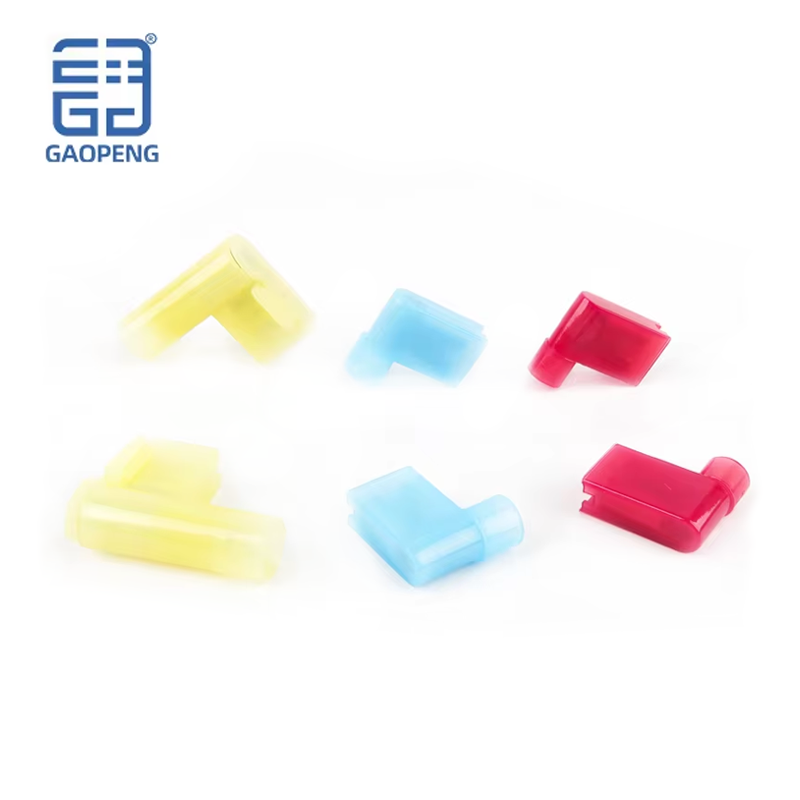
The BHT is not just a cap; it is an active sealing system. It utilizes a dual-function design: cross-linked polyolefin outer wall combined with a hot-melt adhesive inner lining.
Here is the engineering breakdown that matters to your team:
1. Advanced Adhesive Liner Technology
Unlike standard heat shrink caps that simply shrink, the BHT features a controlled-flow adhesive. When heated (typically to 135°C), this adhesive melts and flows into every crevice of the stranded wire, filling voids between conductors. Upon cooling, it creates a permanent, water-tight, and strain-relieving bond.
2. True Environmental Sealing
The BHT achieves a protection level of IP68 (Ingress Protection) and NEMA 6P (Submersion). Independent lab tests confirm that after 500 hours of salt spray testing (ASTM B117), the copper terminal remains oxidation-free. For applications near terminal blocks exposed to washdowns or outdoor weather, this guarantees 100% insulation resistance.
3. Thermal & Chemical Resilience
-
Operating Temperature: -55°C to +125°C (Continuous)
-
Shrink Ratio: 3:1 or 4:1 (depending on the SKU). This high ratio means one BHT size fits a wide range of wire gauges (e.g., from 2mm to 8mm diameter).
-
Chemical Resistance: Excellent resistance to common automotive fluids, diesel, hydraulic oil, and diluted acids.
- 4. Mechanical Toughness
The fully recovered wall thickness exceeds 2.0mm on larger sizes, providing cut-through and abrasion resistance that surpasses standard heat shrink tubing by 40%.Part 3: Why Terminal Block Manufacturers & OEMs Are Switching
We have already seen early adoption rates increase by 35% QoQ. Who is buying the BHT, and why?
-
Marine OEMs: "We used to dip wire ends in liquid tape. It was slow and toxic. The BHT shrinks in 30 seconds and passes the moisture wicking test every time."
-
Solar Inverter Assemblers: "DC terminals need perfect isolation. The BHT’s dielectric strength (19 kV/mm) gives us regulatory peace of mind for UL and TÜV audits."
-
Automotive Aftermarket: "For trailer wiring and off-road lights, the BHT stops the 'black wire corrosion' that kills our warranty margins."
For your independent website: If your current buyers are purchasing terminal blocks or heavy-duty connectors from your catalog, the BHT is the perfect add-on sale or bundle item. It protects the very connection point you are supplying.
-