



News
Terminal Standardization and Modular Design: Balancing Flexibility with Supply Chain Efficiency
In the global electrical industry, engineers and procurement professionals face a persistent dilemma: they need enough variety to meet diverse application requirements—different currents, voltages, connection technologies, and special functions—yet they also crave the simplicity of a limited, standardized product range that reduces inventory costs, simplifies training, and streamlines supply chains. At Yueqing Gaopeng Electric Co., Ltd., we have resolved this tension through intelligent modular design. By building our terminal blocks and accessories around a common architecture, we offer the flexibility of a vast product portfolio with the efficiency of standardised components. This article explains how modular design benefits panel builders, distributors, and OEMs, and why Gaopeng’s approach to standardization is a competitive advantage.
Enhancing Connectivity: Why Yueqing Gaopeng’s RV PVC Wire is the Superior Choice for Your Terminal Block Systems
In the intricate world of electrical engineering, the reliability of a system is only as strong as its weakest link. While industrial buyers often focus heavily on the robustness of heavy-duty equipment—circuit breakers, contactors, terminal blocks—they occasionally underestimate the critical role of the internal wiring. As a leading manufacturer of terminal blocks and connectivity solutions, Yueqing Gaopeng Electric Co., Ltd. understands that a high-performance terminal block demands an equally high-performance wire. That is why we are putting the spotlight on a seemingly humble, yet indispensable component: the Copper Conductor PVC Insulated Flexible RV Wire.
This is not merely a product announcement; it is a technical deep-dive and a commitment to quality. For procurement specialists and electrical engineers seeking reliability, regulatory compliance, and cost-efficiency, our integrated solutions—pairing our precision terminal blocks with premium RV wires—offer an unmatched value proposition.
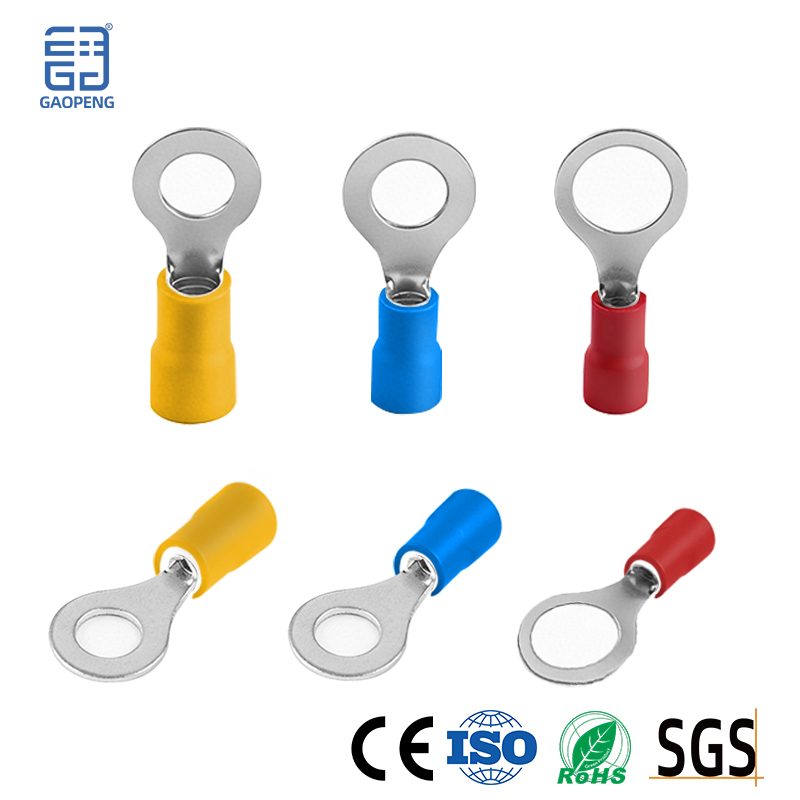
Innovation in Terminal Block Design: Miniaturization, High Density, and Integrated Functionality
The electrical enclosure of today bears little resemblance to its counterpart from twenty years ago. Control panels are smaller, yet they house more devices: PLCs, drives, relays, safety modules, and communication gateways. As the footprint of electronic components shrinks, the demand for terminal blocks that occupy less panel space while providing more connection points has intensified. At Yueqing Gaopeng Electric Co., Ltd., we are at the forefront of this transformation, engineering terminal blocks that combine miniaturization, high-density architecture, and integrated functionality without compromising safety or performance. This article explores the key design innovations reshaping terminal blocks and how they benefit panel builders, OEMs, and end users.
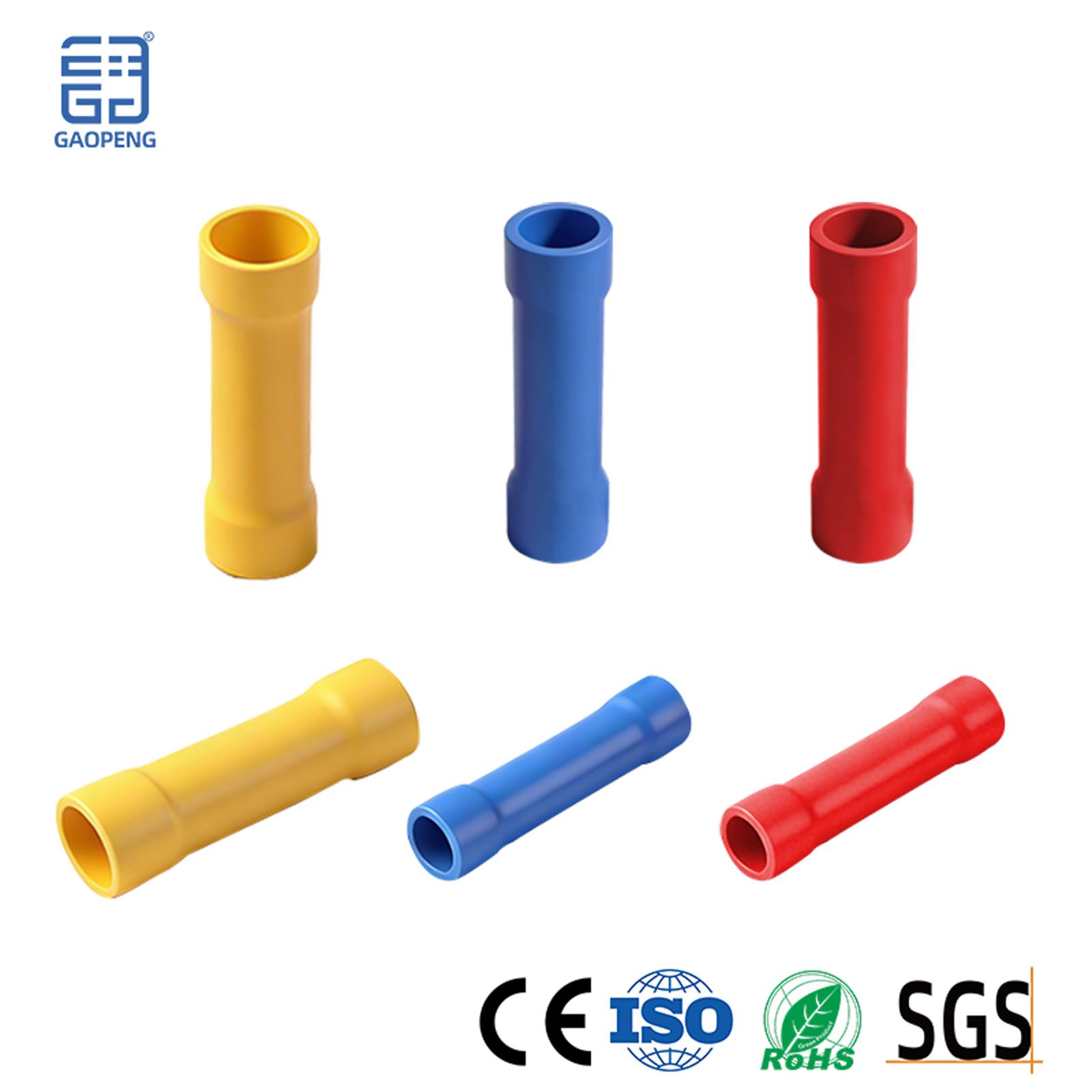
Why PVC-Insulated BV Wire Is the Backbone of Safe Terminal Connections
Introduction: Not All Wires Are Created Equal
In the world of electrical connections, reliability starts long before the terminal block is tightened. It begins with the conductor inside the wire—specifically, the BV wire (PVC-insulated single-core copper wire). As a manufacturer of terminal blocks, we at Yueqing Gaopeng Electric Co., Ltd. know that the quality of BV wire directly affects clamping force, contact resistance, temperature rise, and long-term safety.
Yet, many buyers overlook the PVC insulation itself. Is it just a cheap plastic coating? Absolutely not. In this technical news release, we will explain:
-
What BV wire really means (according to IEC and GB standards)
-
Why PVC compound selection determines fire safety and electrical performance
-
How BV wire interacts with terminal blocks – and why poor wire choice leads to field failures
-
What professional buyers should specify when ordering BV wire for export projects
By the end, you will understand why PVC BV wire remains the most cost-effective, reliable choice for fixed wiring in panels, appliances, and industrial control cabinets—and why Yueqing Gaopeng Electric’s recommended wire specifications can help you reduce warranty claims and improve customer trust.
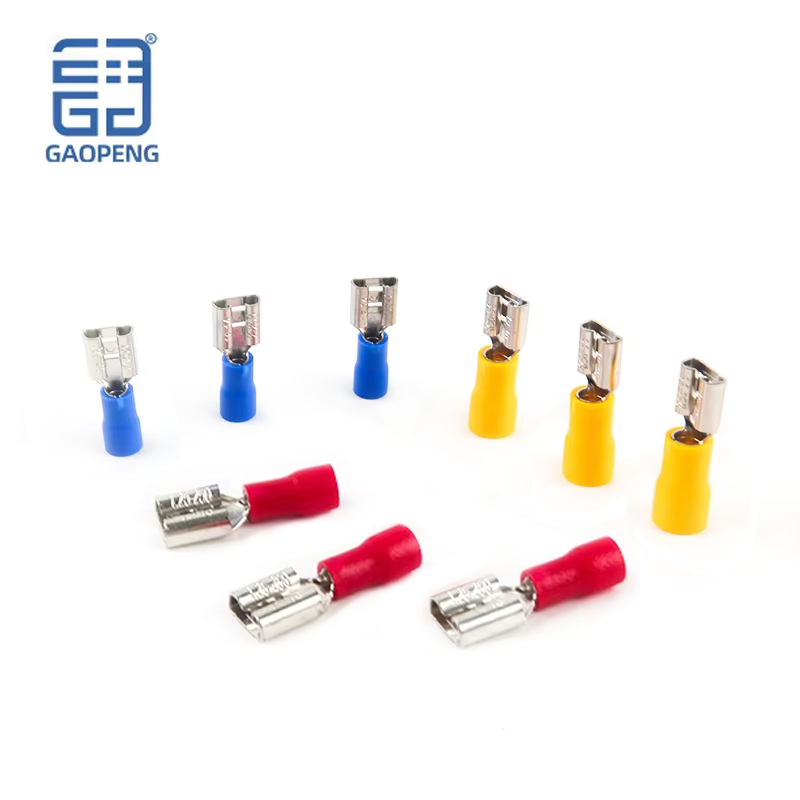
Terminals in Extreme Environments: Reliability Strategies for Harsh Applications
Not all electrical installations reside in climate‑controlled panels. From the scorching heat of desert solar farms to the freezing cold of arctic wind turbines, from the corrosive salt spray of offshore platforms to the relentless vibration of mining equipment, terminals are increasingly deployed in environments that push materials and designs to their limits. At Yueqing Gaopeng Electric Co., Ltd., we engineer terminals not just for general industry, but for the toughest conditions on Earth—and beyond. This article examines the unique challenges of extreme environments and provides practical strategies for selecting and installing terminals that will perform reliably for decades.
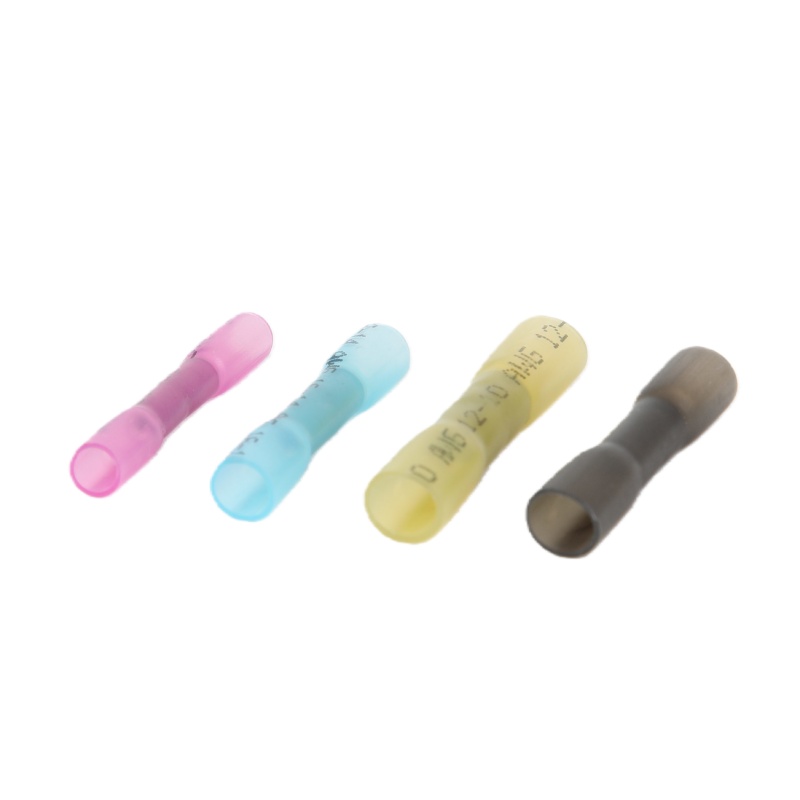
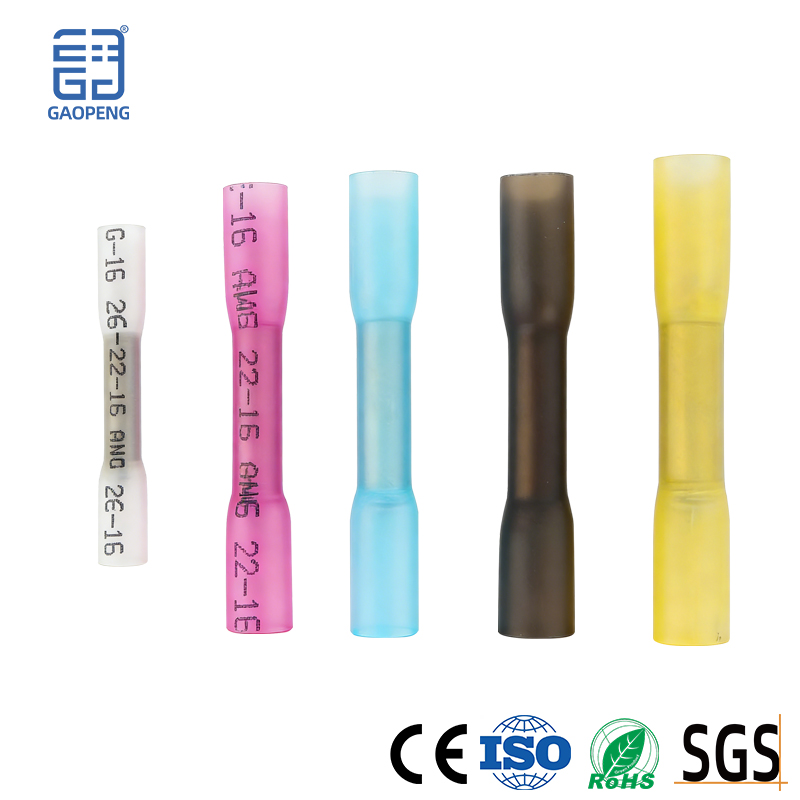
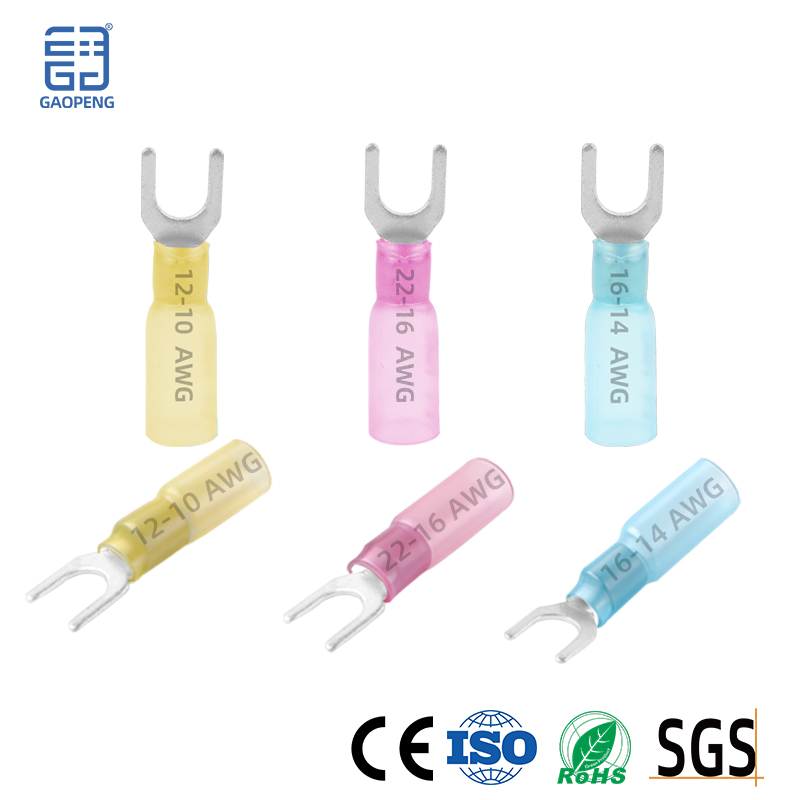
Revolutionizing Wire Connection Safety & Efficiency: Yueqing Gaopeng Electric Launches the BHT Heat Shrink Terminal Series
This news release provides a detailed, technical breakdown of the BHT Heat Shrink Terminal series, including its construction, performance advantages, comparative test data, and application case studies. Whether you are a procurement manager seeking to reduce warranty claims or an installer looking for faster, safer crimping, this article will explain why the BHT series should be your next standard.
The Hidden Cost of Cheap Terminals: Why Quality Pays for Itself Over the Long Term
In the competitive world of electrical component procurement, the pressure to reduce upfront costs is relentless. Buyers are often tempted to choose the lowest‑priced terminals, reasoning that “a terminal is just a terminal.” However, decades of field experience—and mountains of failure data—tell a different story. The initial savings from cheap terminals are frequently dwarfed by the hidden costs of premature failures, unplanned downtime, safety incidents, and shortened system life. At Yueqing Gaopeng Electric Co., Ltd., we believe that quality is not an expense but an investment. This article quantifies the hidden costs of cheap terminals and demonstrates why selecting quality terminals from a reliable manufacturer delivers superior long‑term value.
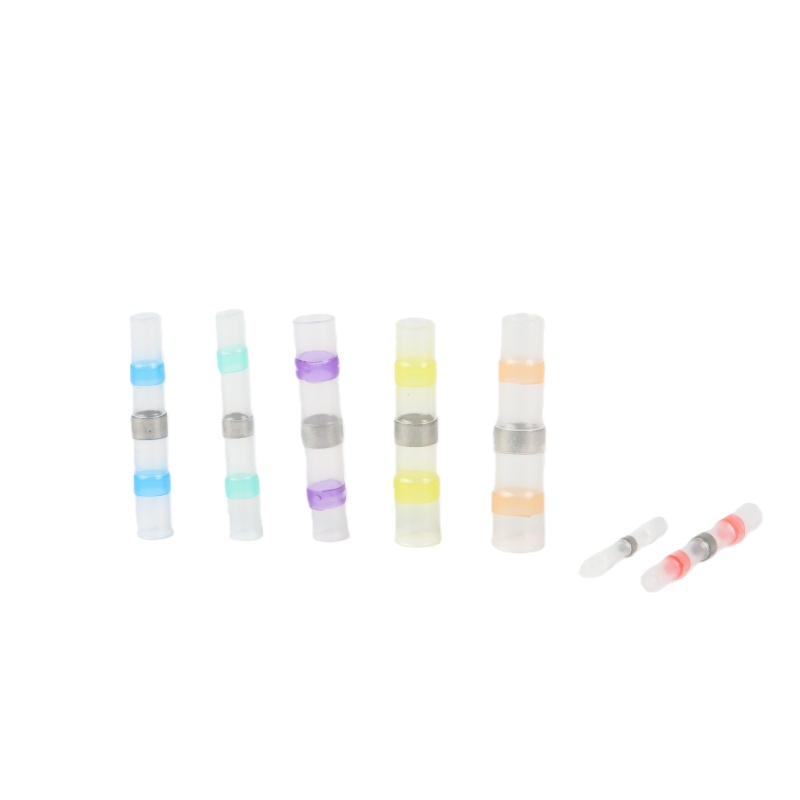
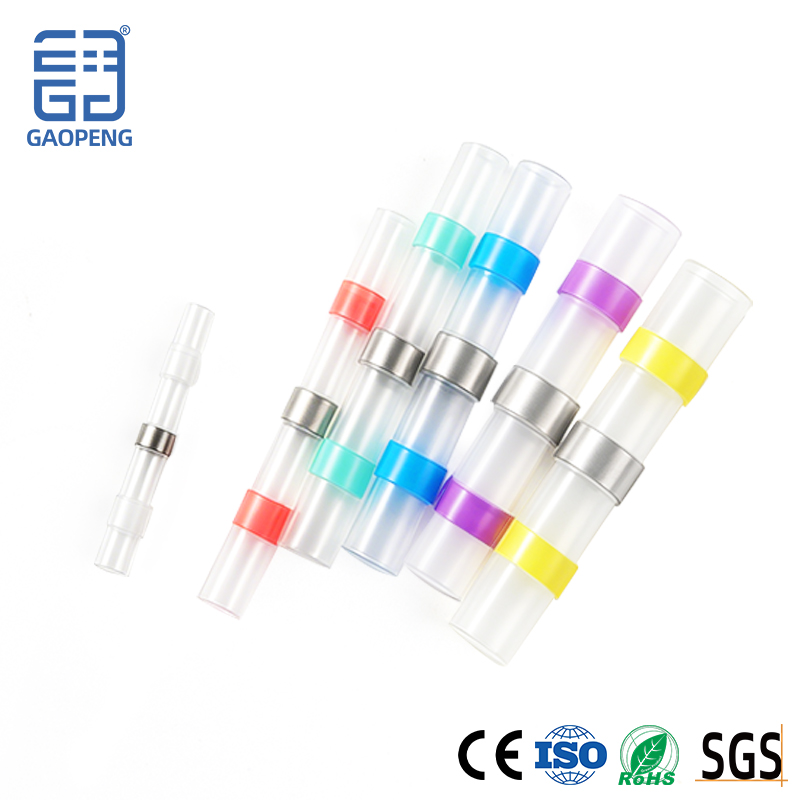
Redefining Electrical Reliability: Yueqing Gaopeng Electric Launches Professional-Grade SST Heat Shrink Terminals for Demanding Global Applications
In the demanding worlds of marine engineering, automotive wiring, and outdoor power distribution, the weakest link in the electrical chain is often the smallest component. Standard nylon or vinyl-insulated terminals, while cost-effective for prototyping, catastrophically fail when exposed to moisture, salt spray, and vibration. Corrosion creeps in, voltage drops, and intermittent faults lead to costly downtime.
Yueqing Gaopeng Electric Co., Ltd., a specialized manufacturer with deep roots in terminal block and connector technology, today officially spotlighted its advanced portfolio of SST Heat Shrink Terminals. This line is not merely an accessory; it is a protective system engineered to guarantee a lifetime of gas-tight, waterproof connections. For B2B buyers and distributors seeking to reduce warranty claims and elevate the quality of their wire harness assemblies, the SST series represents a critical supply chain upgrade.
Digital Transformation in Terminal Selection: How Smart Tools Are Revolutionizing Connectivity Design
For decades, selecting the right terminal block or crimp terminal for an electrical application followed a familiar pattern: engineers consulted paper catalogs, flipped through specification tables, and relied on experience to choose components. The process was time‑consuming, error‑prone, and isolated from broader design workflows. Today, digital transformation is reshaping every aspect of industrial engineering—and terminal selection is no exception. From online configuration tools and intelligent product data to full integration with CAD and PLM systems, digital solutions are making connectivity design faster, more accurate, and more collaborative. At Yueqing Gaopeng Electric Co., Ltd., we are embracing this digital shift, providing our customers with smart tools that turn terminal selection from a chore into a streamlined, data‑driven process. This article explores how digital transformation is revolutionizing terminal selection and how Gaopeng is leading the way.
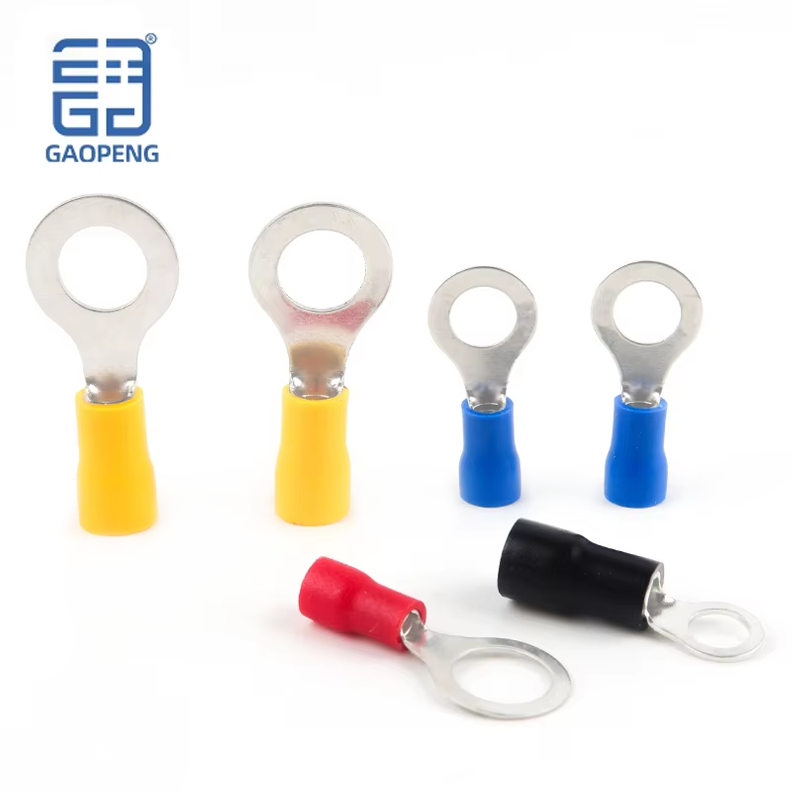
What scenarios are connector joints used in?
The core function of an interface connector (also known as a plug-in component or plug and socket) is to connect two active devices, used for transmitting current or signals. It is equivalent to a 'bridge' in a circuit system, capable of connecting circuits that were originally disconnected, allowing electronic devices to operate normally or achieve modular assembly.